
Every piece of genuine sterling flatware carries a baseline melt value tied to the current price of silver, but real collector and resale value on top of that baseline depends on pattern popularity, rarity, completeness, and condition — factors that can push a set’s actual worth well above simple scrap value.
Melt Value Is the Floor, Not the Ceiling
Because sterling is 92.5% pure silver, every genuine piece has a calculable minimum value based on its weight and the current silver spot price — but popular, sought-after patterns in good condition routinely sell for considerably more than that floor value would suggest; see our melt value guide for how to actually calculate that baseline figure.
Pattern Popularity Drives Real Demand
Widely recognized, historically popular patterns like Chantilly or Francis I generally see stronger ongoing demand from collectors and people actively completing existing sets than obscure, short-run patterns; see our patterns guide for the most iconic examples worth learning to recognize.
Rarity Within a Pattern
Beyond the pattern itself, certain serving pieces and specialty forms — specific ladles, servers, or unusual shapes — were produced in far smaller numbers than basic forks and teaspoons, and these rarer forms can command real premiums within an otherwise common, widely available pattern.
Complete Sets Command More Than the Sum of Their Parts
A genuinely complete, matching service — consistent place settings plus serving pieces, all confirmed as the same pattern and maker — is worth considerably more than the same pieces sold individually, since assembling a complete set piece by piece takes real time and effort that a buyer is often willing to pay a premium to skip.
Avoiding ‘Marriage’ Sets
Some sets offered as complete are actually “marriages” — individual pieces from different original sets or even different patterns combined and sold together as though they matched from the start. Checking that every piece genuinely shares the same pattern, maker, and general wear characteristics protects against paying a complete-set premium for something that isn’t actually complete or original.
Condition Matters Beyond Just Melt Weight
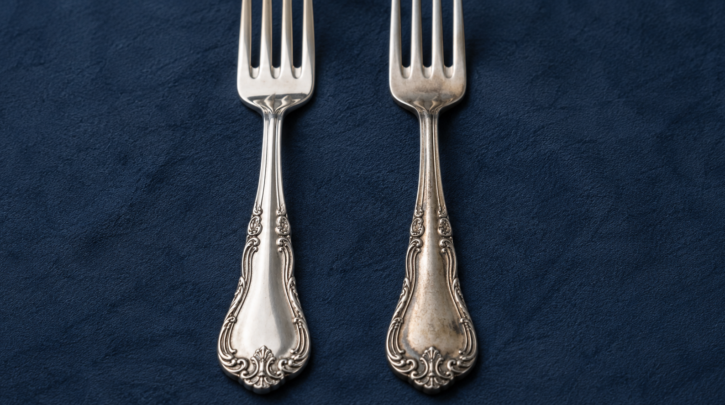
Deep scratches, worn monograms poorly removed, bent tines, or heavily worn pattern detail from decades of aggressive polishing all reduce collector value even though they don’t affect the underlying silver weight — condition assessment for sterling flatware needs to consider both the metal itself and the visual, tactile quality of the pattern detail.
Checking Current Prices
As with every collectible category, checking recent completed sales for a specific pattern and piece type gives a far more accurate current picture than assuming melt value alone determines price, since popular patterns genuinely do sell for meaningfully more than scrap.
When to Get a Professional Opinion
For a large or genuinely uncertain set — especially one that might include rare serving pieces or an unusually desirable pattern — a professional appraisal is worth the cost before selling or insuring it; see our appraisal guide for how that process works.
Value Isn’t Only About Selling
Knowing a realistic value matters even without any plan to sell — for insurance purposes, for deciding how carefully to store a set, and simply for understanding what’s actually in a family collection passed down without any record of what it’s worth.
A Grounded Way to Assess a Set
For anyone assessing an inherited or accumulated collection for the first time, start by confirming sterling content piece by piece, identifying the pattern, noting condition issues, then checking recent completed sale prices for comparable pieces before assuming either that everything is worth only melt value or that every piece commands a major collector premium.
Documenting a Set Over Time
Photographing each piece alongside notes on pattern, maker, and condition, together with whatever price research you’ve done, creates a useful record whether you eventually sell, insure, or simply want to understand what a family collection actually contains.
Patience Pays Off With Genuine Rarities
A confirmed rare serving piece or an especially desirable pattern sometimes takes longer to find the right buyer than a common set would, simply because the pool of interested collectors is smaller — worth keeping in mind rather than assuming a slower sale means the price was set incorrectly.