 Written by: Flatware Pattern Editorial Team
Posted on: July 10, 2026
Written by: Flatware Pattern Editorial Team
Posted on: July 10, 2026
Flatware Pattern Numbers and Codes: A Guide
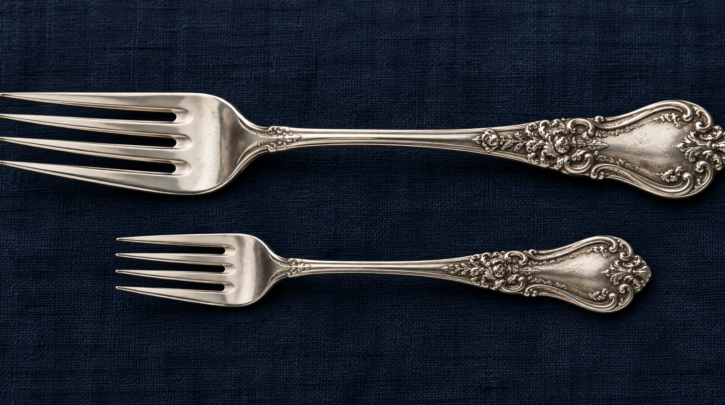
Beyond the pattern name itself, many manufacturers tracked their flatware designs internally using numbers or codes — a system that mostly lives in company catalogs and modern reference databases rather than being stamped directly on individual pieces. Why These Systems Exist With companies producing dozens…
 Written by: Flatware Pattern Editorial Team
Posted on: July 10, 2026
Written by: Flatware Pattern Editorial Team
Posted on: July 10, 2026
Matching Flatware Patterns to Complete a Set
Once a pattern is identified, actually finding additional matching pieces to complete or expand a service is its own practical challenge — one that a handful of specialized resources handle far better than general searching. Understanding Place Settings and Service Counts A basic place setting…
 Written by: Flatware Pattern Editorial Team
Posted on: July 10, 2026
Written by: Flatware Pattern Editorial Team
Posted on: July 10, 2026
Silverplate Marks: EPNS, Quadruple Plate, and More
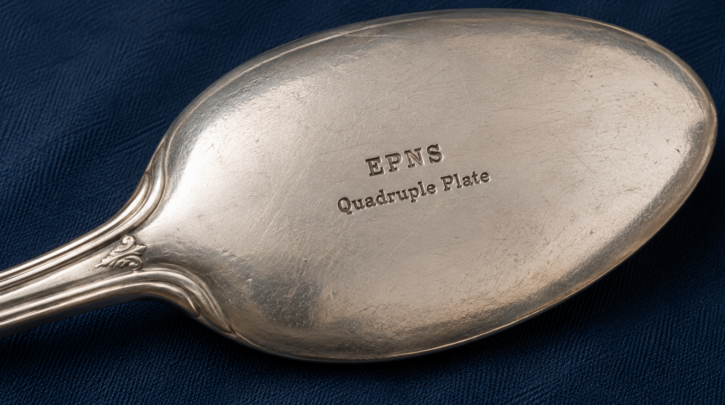
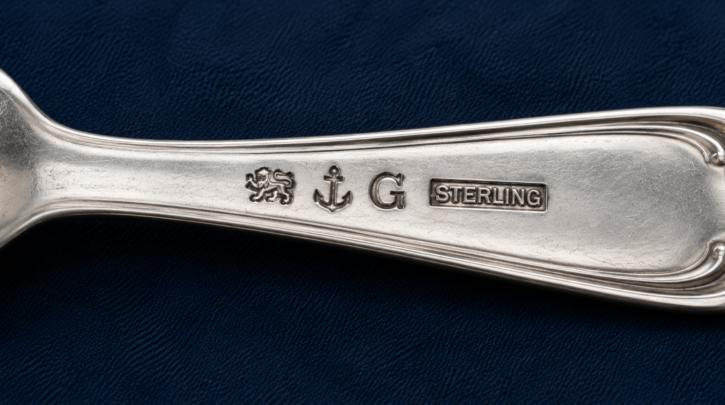
Silverplate marking conventions differ meaningfully from sterling’s simple, standardized “STERLING” or “925” — there was never a single mandatory purity standard for plate, which means the marks you’ll actually encounter vary more and require a bit more context to read correctly. EPNS: Electroplated Nickel Silver…
 Written by: Flatware Pattern Editorial Team
Posted on: July 10, 2026
Written by: Flatware Pattern Editorial Team
Posted on: July 10, 2026
Silverplate Flatware Identification: A Complete Guide
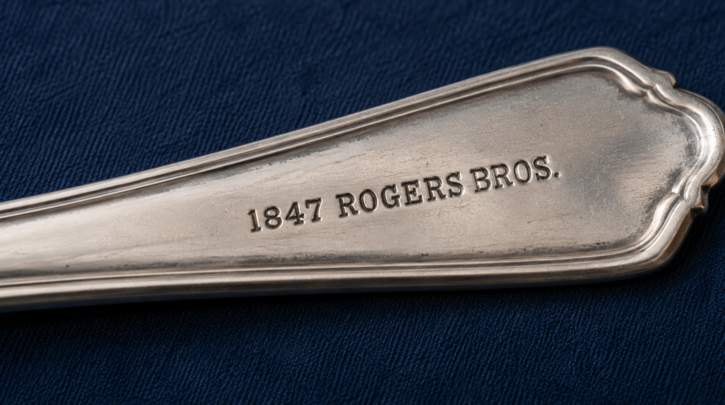
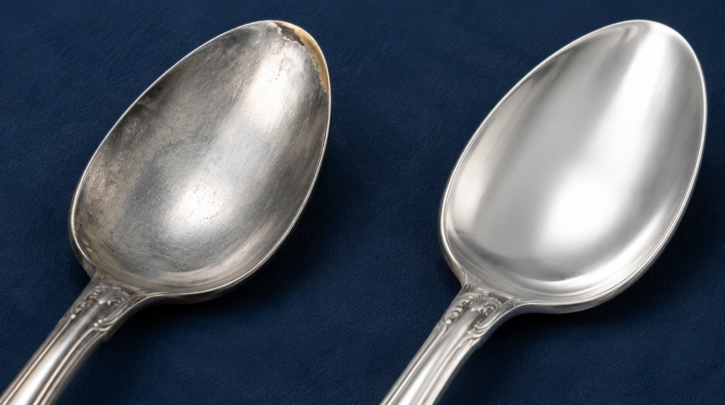
Silverplate flatware brought the look of silver tableware to households that couldn’t afford solid sterling, and it’s every bit as collectible as sterling in its own right, even without the same melt-value floor — identification starts the same way, with the mark, then the pattern….
 Written by: Flatware Pattern Editorial Team
Posted on: July 10, 2026
Written by: Flatware Pattern Editorial Team
Posted on: July 10, 2026
Silverplate Value Guide: What Actually Drives Price
Without the melt-value floor that gives every genuine sterling piece a baseline worth, silverplate value depends almost entirely on pattern popularity, maker reputation, condition, and completeness — and being honest about that difference matters for setting realistic expectations. No Meaningful Melt Value Because the silver…
 Written by: Flatware Pattern Editorial Team
Posted on: July 10, 2026
Written by: Flatware Pattern Editorial Team
Posted on: July 10, 2026
Caring for Silverplate Flatware
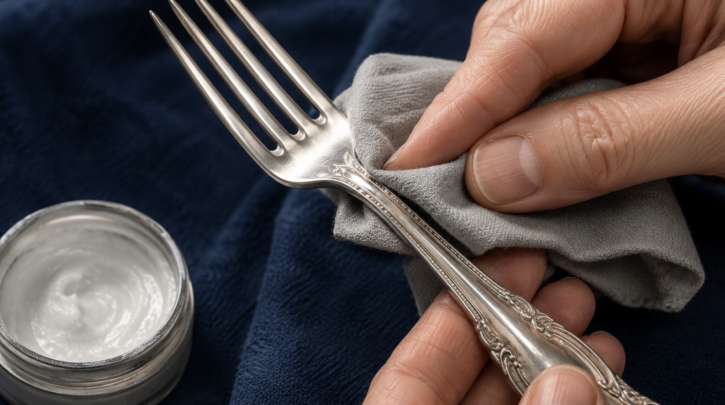
Caring for silverplate shares much in common with caring for sterling, but it carries one genuinely unique consideration that sterling doesn’t: the thin silver surface layer can actually wear away with repeated aggressive polishing, which means gentler, less frequent care often preserves a piece better…
 Written by: Flatware Pattern Editorial Team
Posted on: July 10, 2026
Written by: Flatware Pattern Editorial Team
Posted on: July 10, 2026
Gorham Silver Flatware: A Collector’s Guide
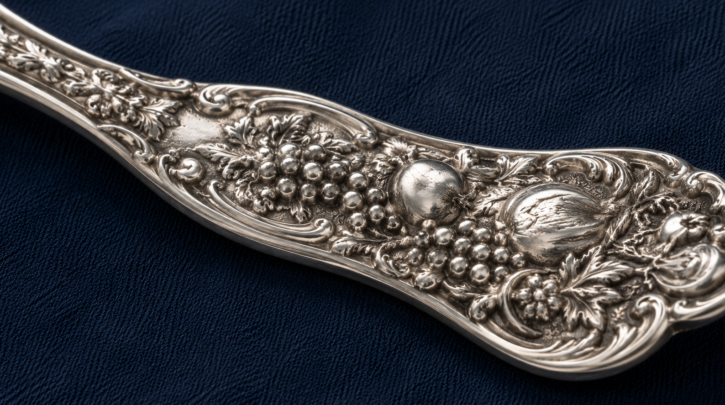
Gorham is one of the most historically significant names in American silver, founded by Jabez Gorham in Providence, Rhode Island in 1831 and growing over the following century into one of the country’s largest and most prestigious silver manufacturers, producing both sterling flatware and elaborate…
 Written by: Flatware Pattern Editorial Team
Posted on: July 10, 2026
Written by: Flatware Pattern Editorial Team
Posted on: July 10, 2026
Reed & Barton Flatware: A Collector’s Guide
Reed & Barton, based in Taunton, Massachusetts, built its reputation on detailed, high-quality silver work, most famously through Francis I, one of the most respected and recognized sterling patterns ever produced by any American manufacturer. A Massachusetts Silver Tradition Taunton, Massachusetts developed into a genuine…
 Written by: Flatware Pattern Editorial Team
Posted on: July 10, 2026
Written by: Flatware Pattern Editorial Team
Posted on: July 10, 2026
International Silver Company: A Collector’s Guide
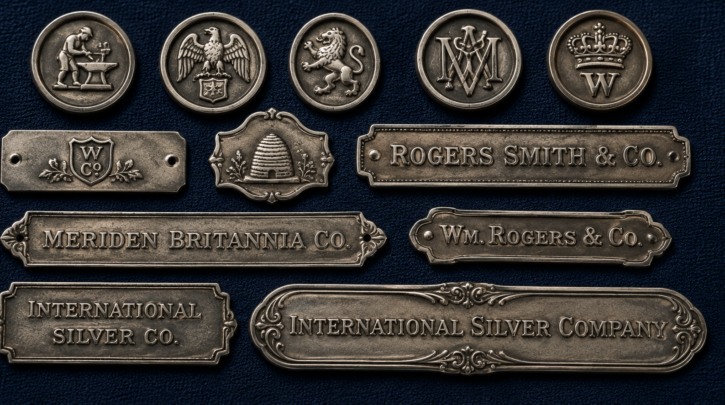
International Silver Company has a genuinely different origin story than most other makers on this site — rather than growing from a single founder’s workshop, it formed around 1898 through the merger of numerous smaller Connecticut-area silver manufacturers into one large combined company. Born From…
 Written by: Flatware Pattern Editorial Team
Posted on: July 10, 2026
Written by: Flatware Pattern Editorial Team
Posted on: July 10, 2026
Towle and Wallace Flatware: A Collector’s Guide
Towle and Wallace, two historic New England silver manufacturers, each built strong reputations around elaborate, richly ornamented sterling patterns that remain among the most recognized designs in American flatware history. Towle: A Newburyport, Massachusetts Tradition Towle Silversmiths, based in Newburyport, Massachusetts, developed a reputation for…